Open Shelving in a Kitchen: What to Put on It
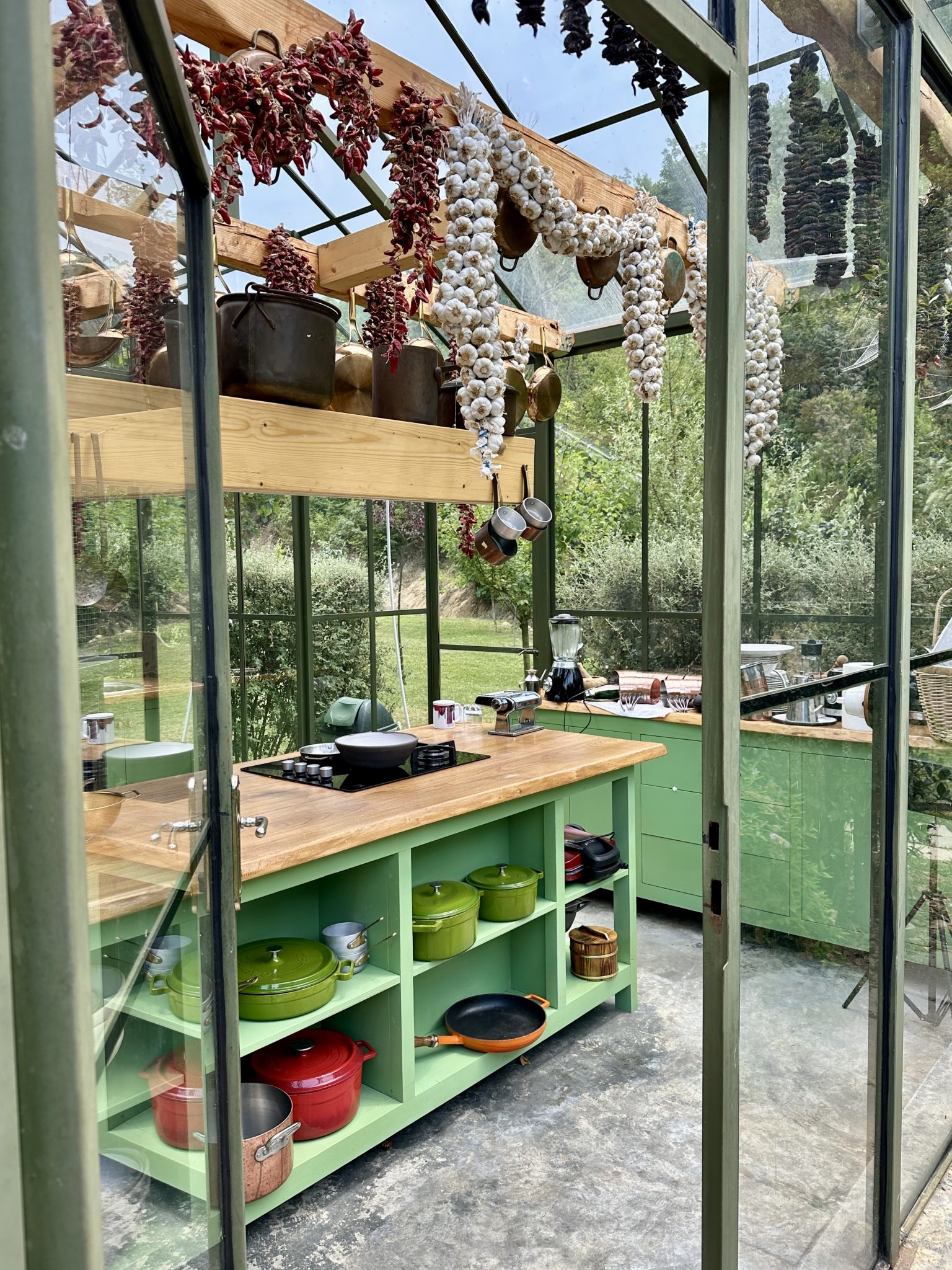
Styling open shelving in a kitchen is simple when you keep your everyday items on the lower ledge and store pretty pieces up top. Group matching white bowls, clear glass jars, and warm wood cutting boards together so the wall looks calm rather than busy. You only need thirty minutes and a clear plan to balance daily use with great style.
What to put on open shelving in a kitchen
Start with the things you touch every single morning. Storing daily plates and mugs on your lower shelves keeps them dust-free because you wash them every day. Mix in warm materials like natural oak boards or woven baskets to break up cold ceramic stacks and metal shelf brackets.
Good interior design relies on repeating textures across the wall. Group your items by material so your eye moves smoothly across the space:
- Everyday dishware: Stacks of four to six white or cream dinner plates and side bowls.
- Clear glassware: Stacks of four heavy water tumblers and four stemmed wine glasses.
- Wooden accents: Two round acacia or oak cutting boards leaning flat against the back wall.
- Dry goods in glass: Three tall glass jars filled with rolled oats, brown rice, and white flour.
- Drink essentials: A small matte ceramic crock holding four everyday coffee mugs.

How do you arrange items on open kitchen shelves?
Begin by taking everything off your shelves and wiping the surfaces down with a damp cloth. Place your heaviest and largest pieces on the bottom shelf first, keeping them close to your prep counters. Set stacks of dinner plates near your dishwasher or drying rack so putting them away takes ten seconds.
Work your way up to the middle and top levels with lighter, less frequent items. Leave two to three inches of open wall space between each cluster of items so the surface does not feel crowded. Step back six feet every five minutes to check the visual balance from across your kitchen floor.
Styling the top shelf for height and warmth
The top shelf is the best spot for decorative pieces you only grab once a month. Use large serving platters, tall stoneware vases, or a trailing plant like a pothos in a terracotta pot. The leafy green vines soften the hard lines of the wood and metal brackets.
Choose pieces that add vertical height so the space between the top shelf and the ceiling feels intentional. A wide vintage bread board or a tall brass pepper mill creates an anchor point. Keep the items here simple and bold so they read clearly from down below.
- Large ceramic pitcher: Works as a standalone sculptural piece or holds dried stems.
- Trailing houseplant: A small potted vine adds lively green color to neutral walls.
- Serving bowls: Wide wooden salad bowls resting upright on plate stands.
- Cookbooks: A neat row of three thick hardback books standing between two heavy bookends.
Keeping open shelves clean and dust free
Dust and grease collect fast if you place open shelves right next to an unvented gas range. Keep your open units at least two feet away from your main cooktop whenever possible. Running your exhaust fan every time you fry food stops airborne grease from sticking to your glass jars.
Set a five-minute cleaning habit into your weekly routine. Wipe the bare edges of the shelves with warm soapy water every Sunday evening. Because you rotate through your bottom dishes daily, you only need to wash the upper decorative pieces every two or three months.


Comments
Post a Comment