Healthy Eating on a Budget: The 3-Rule Family Plan
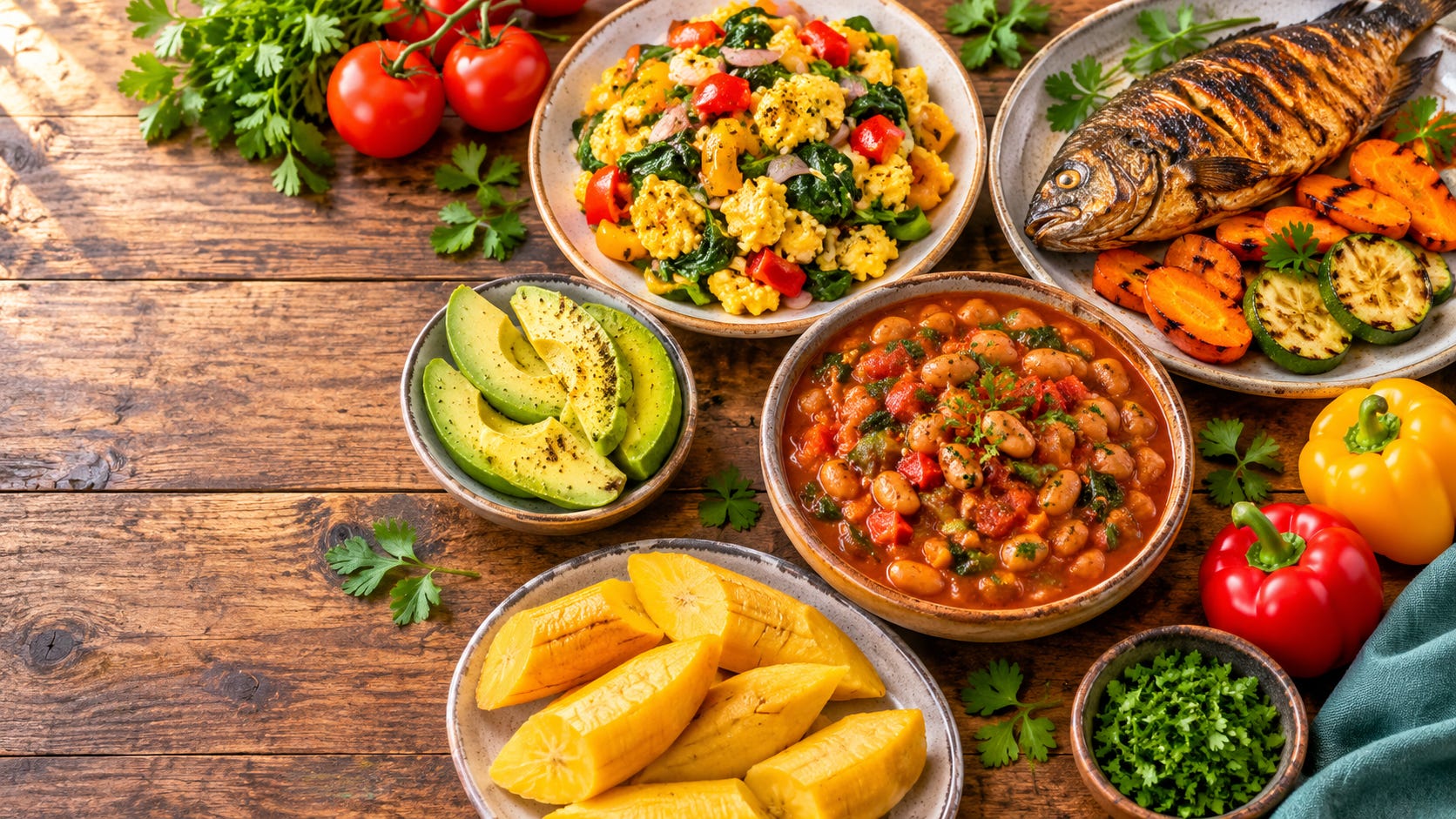
You can manage healthy eating on a budget by changing how you buy protein and plan your weekly meals. Most families drop their dinner costs by thirty percent in the first week just by swapping fresh meat for cheaper food items. You will feed everyone well without spending all your hard-earned money.
How can I practice healthy eating on a budget?
The easiest trick is to build your meals around canned beans and eggs two days every week. A carton of eggs costs around three dollars and feeds a family of four a warm dinner. Dry black beans cost even less and give your family plenty of healthy dietary fiber to keep them full.
My neighbor Sarah tried this last month with her two young kids. She replaced her Tuesday beef tacos with cooked black bean and corn tacos. Her kids loved the taste, and she saved twelve dollars on that single dinner. That simple swap saves her family over fifty dollars every month.
What cheap foods should you buy every week?
Stick to the outer walls of the grocery store where whole foods sit. Skip the middle aisles full of boxed snacks that cost a lot and leave your kids hungry an hour later. You get much more value when you buy basic ingredients in their plain forms.
Keep these low-cost items on your weekly shopping list:
- Oats: A large tub costs three dollars and provides two weeks of warm breakfasts.
- Frozen peas and carrots: They cost one dollar a bag and never go bad in your freezer.
- Canned tuna: A great source of pure lean protein for quick lunches.
- Brown rice: A five-pound bag feeds your whole family for weeks.
- Bananas: The cheapest fresh fruit in the store all year round.
How do you stop wasting food at home?
Throwing away bad food is like throwing cash straight into the trash can. The average family tosses out twenty percent of the food they buy every month. You can fix this by picking one night each week to eat every leftover container in your fridge.
Call it buffet night to make it fun for the kids. Put all the half-empty containers of rice, chicken, and cooked veggies on the kitchen table. Everyone picks what they want, your fridge gets clean, and you cook zero new food that night.
Why buying frozen vegetables saves you money
Fresh vegetables often go soft and moldy before you get the chance to cook them. Frozen veggies are picked at peak ripeness and frozen fast, so they keep all their original nutrition intact. They cost half as much as fresh ones and sit safely in your freezer until you need them.
Dump a bag of frozen broccoli directly into your hot pasta sauce near the end of cooking. It warms up in four minutes and adds bright color to your meal. You use only what you need and leave the rest of the bag frozen for next week.
Start with one small change today
Do not try to change your whole kitchen setup overnight. Pick just one meal this week to swap high-cost meat for eggs or beans. Look at your receipt afterward and see how much money stayed in your bank account.


Comments
Post a Comment